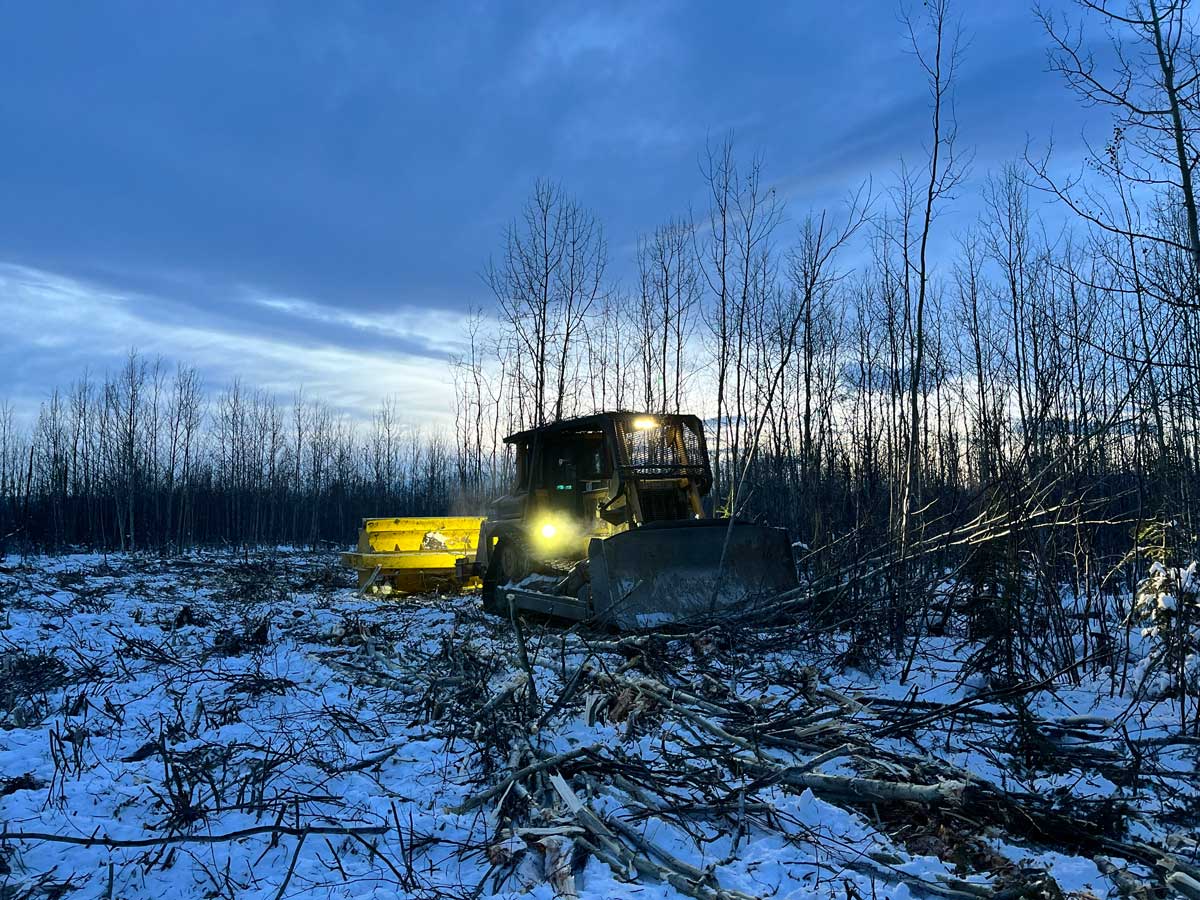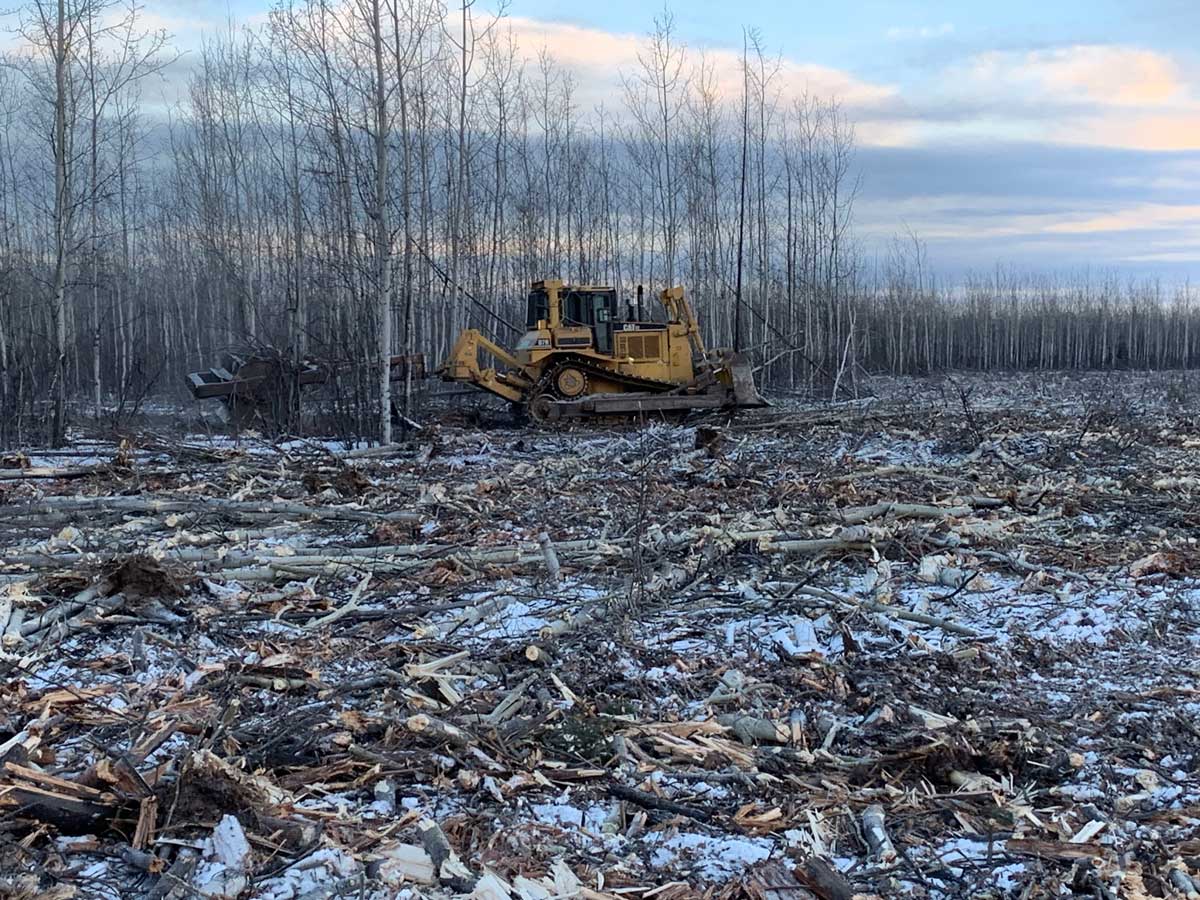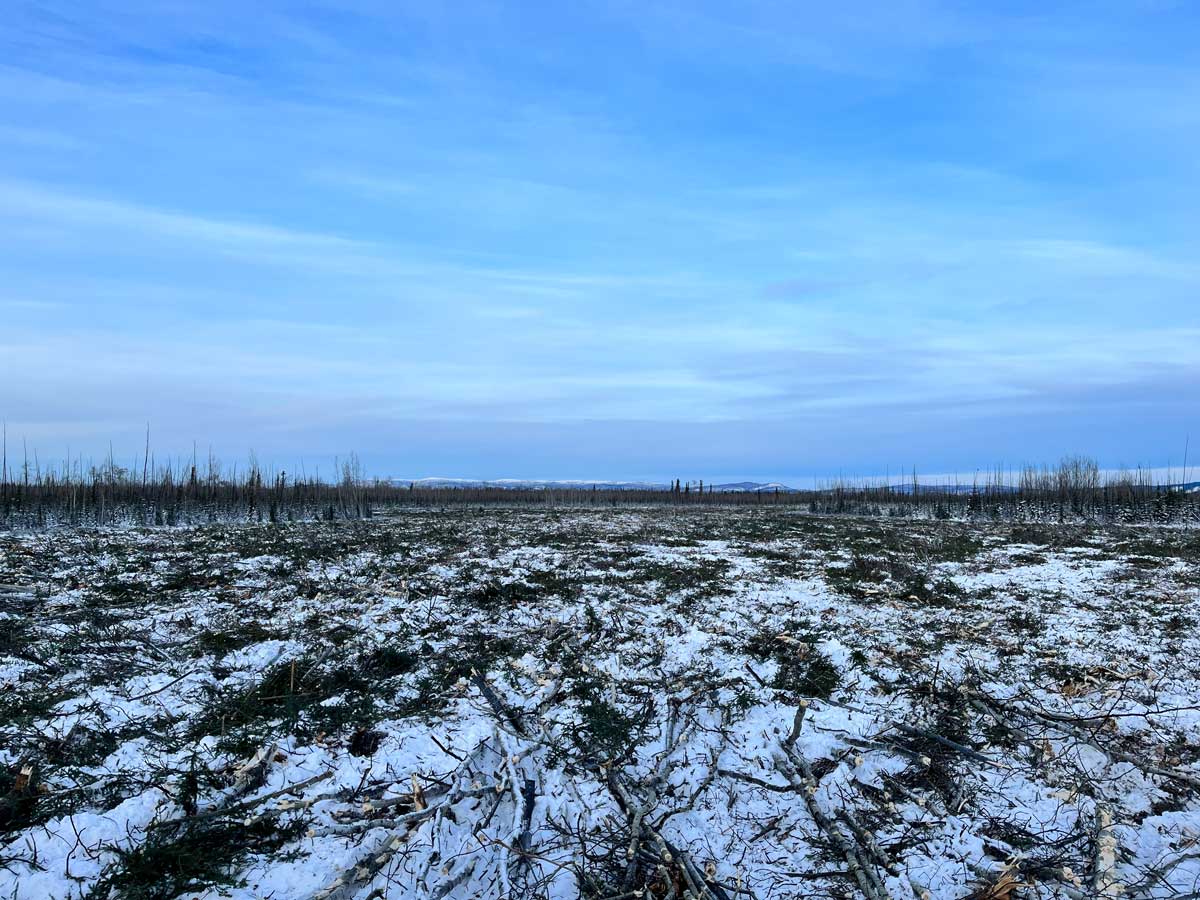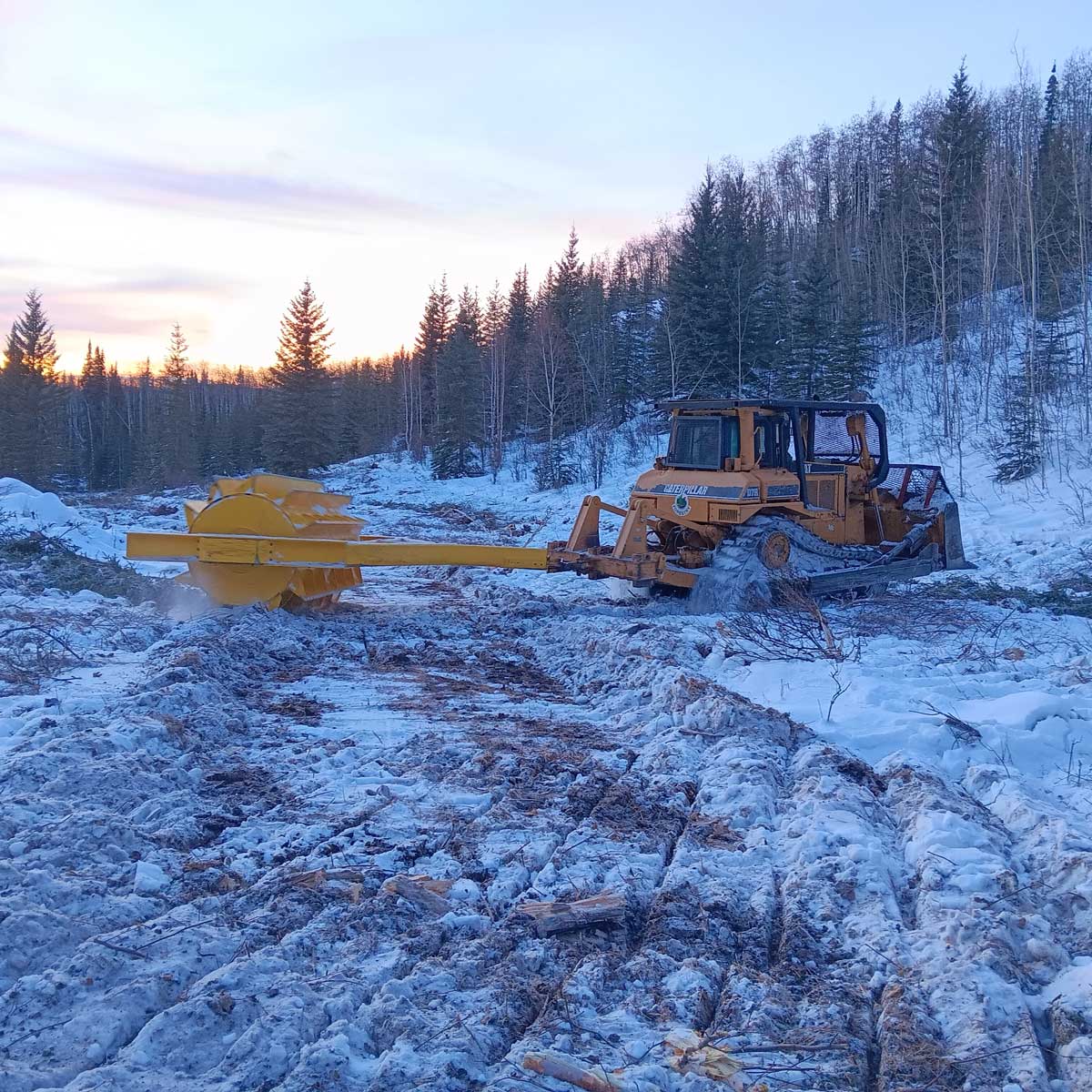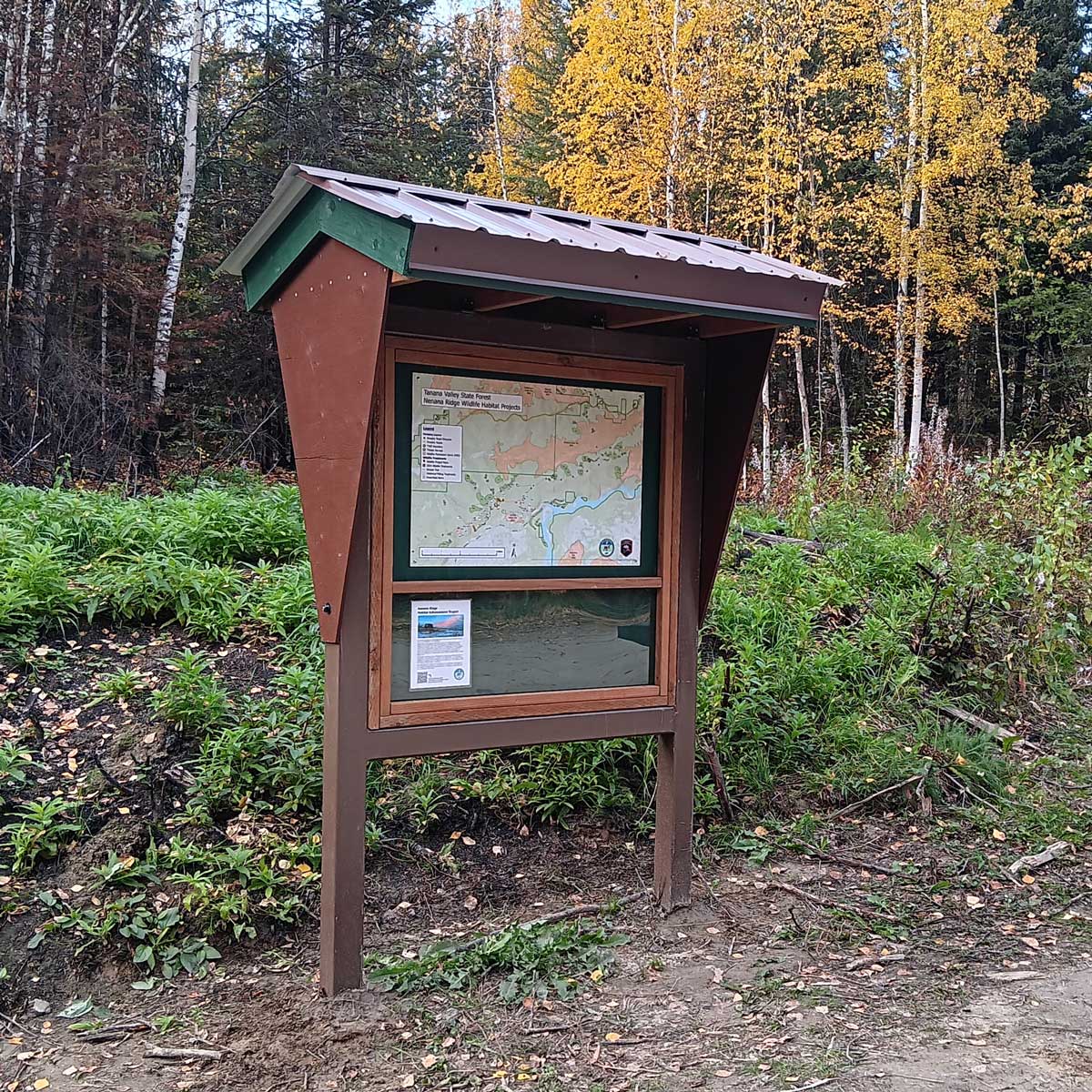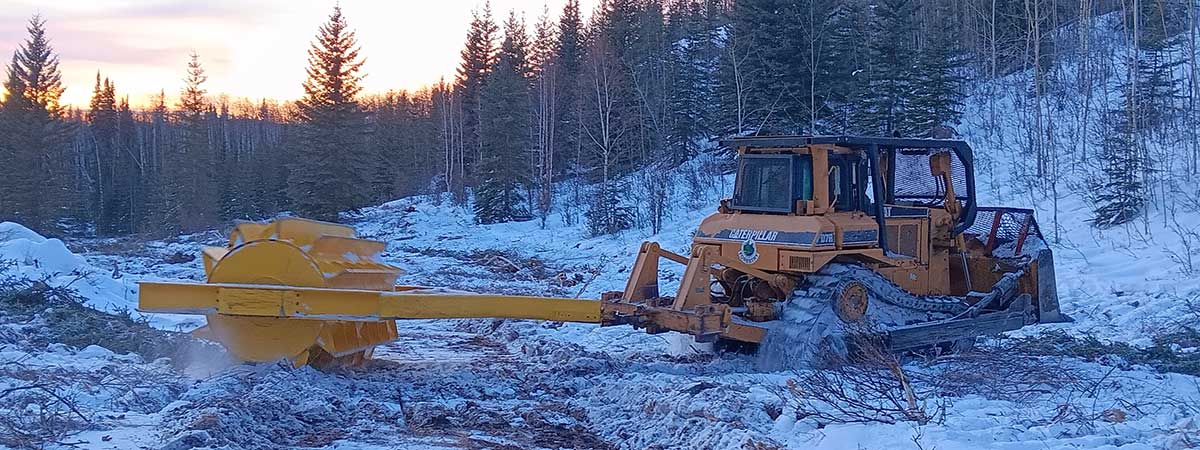
Mechanical Treatment on the Nenana Ridge in 2024
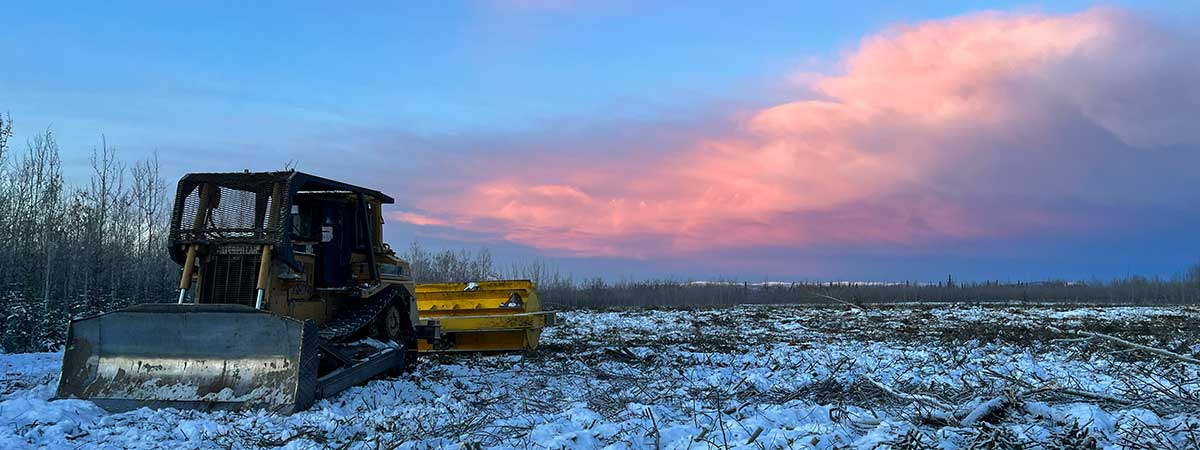
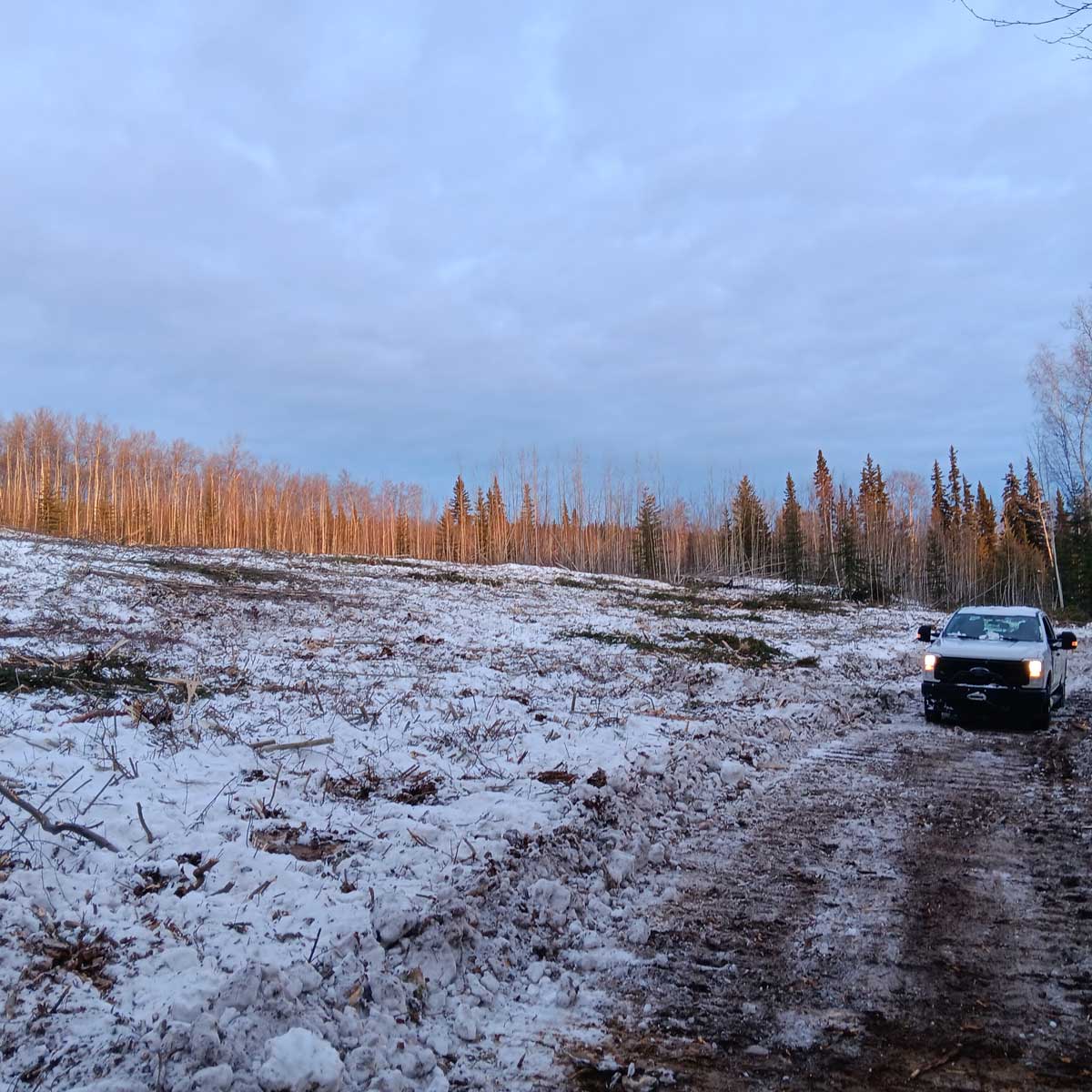
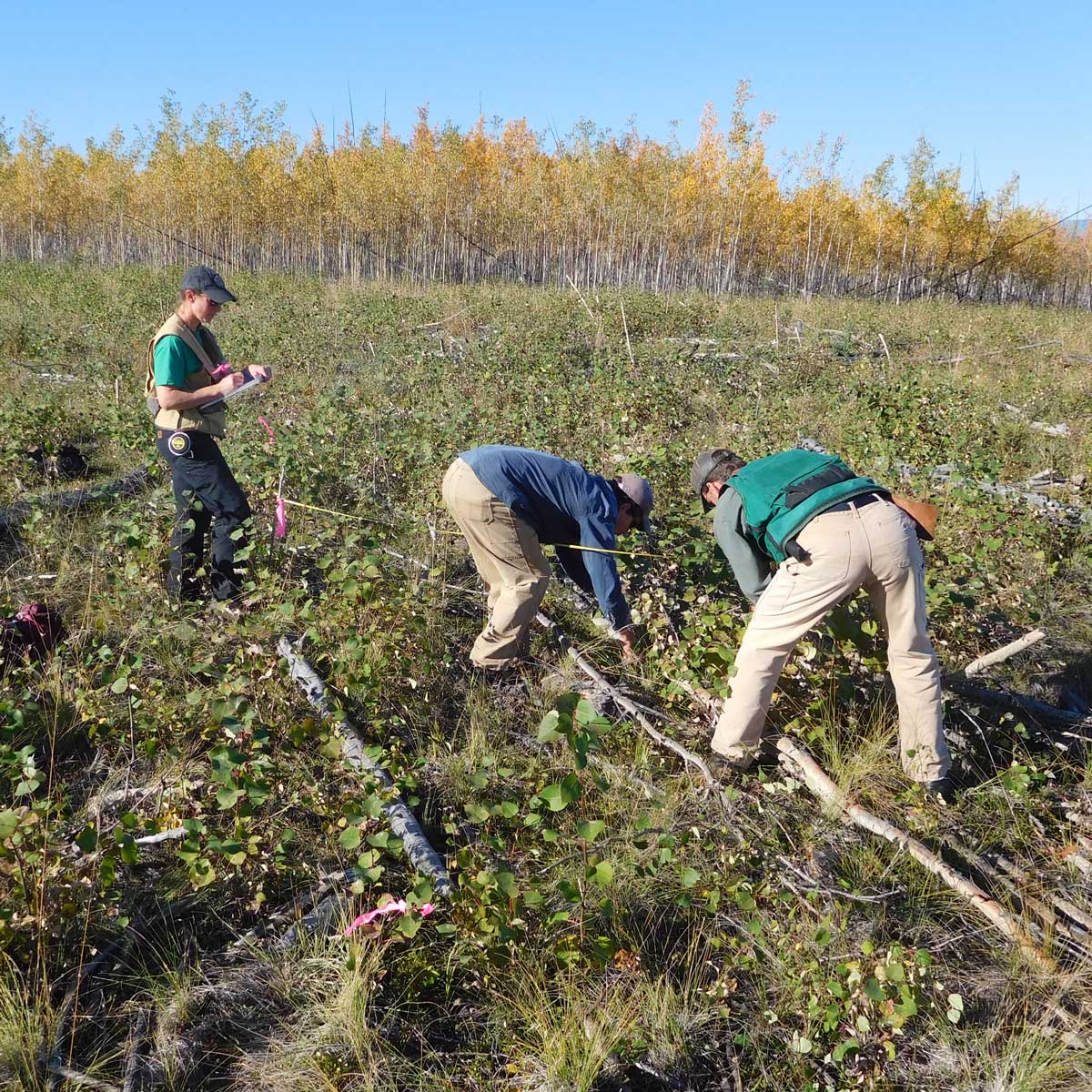
Mechanical Treatment in Tok 2023
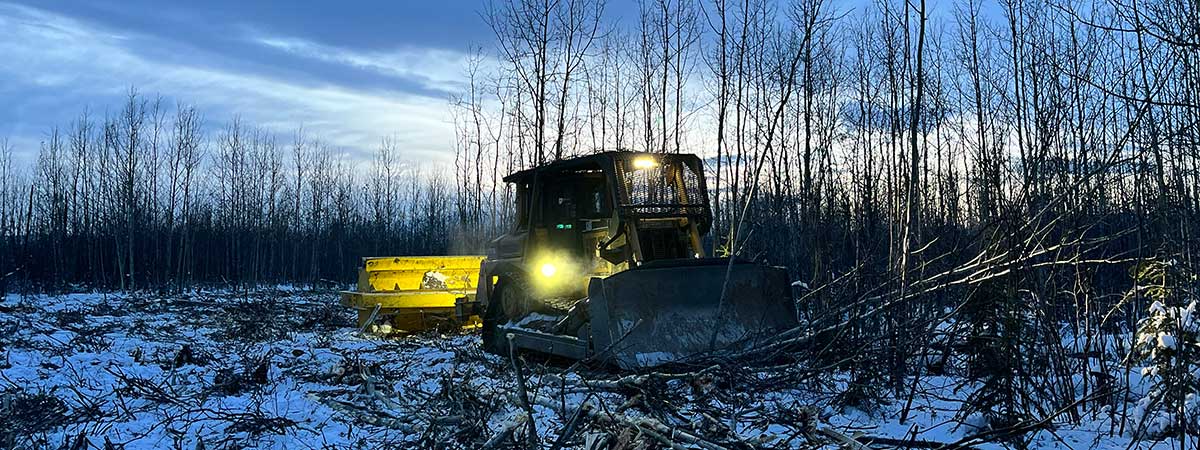
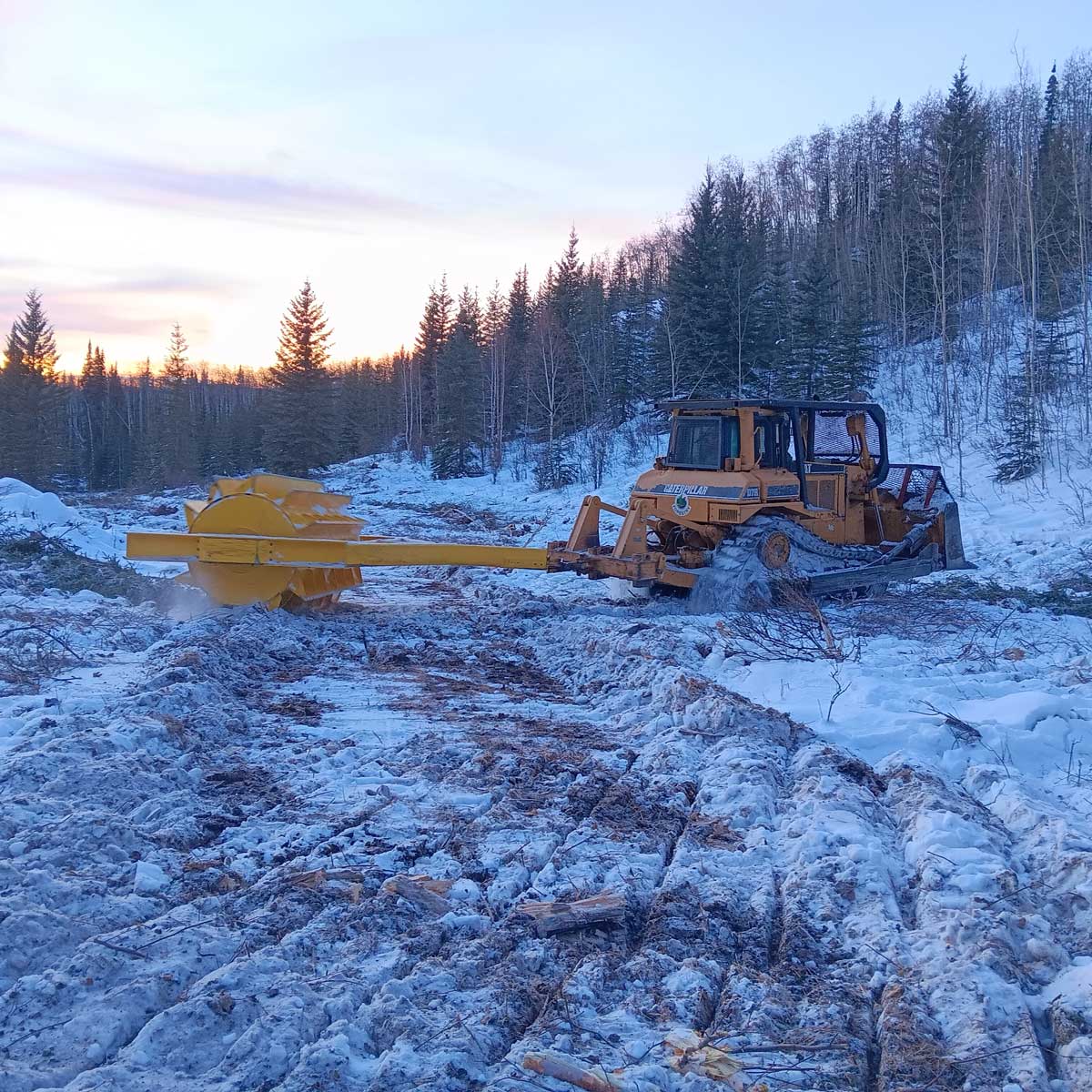
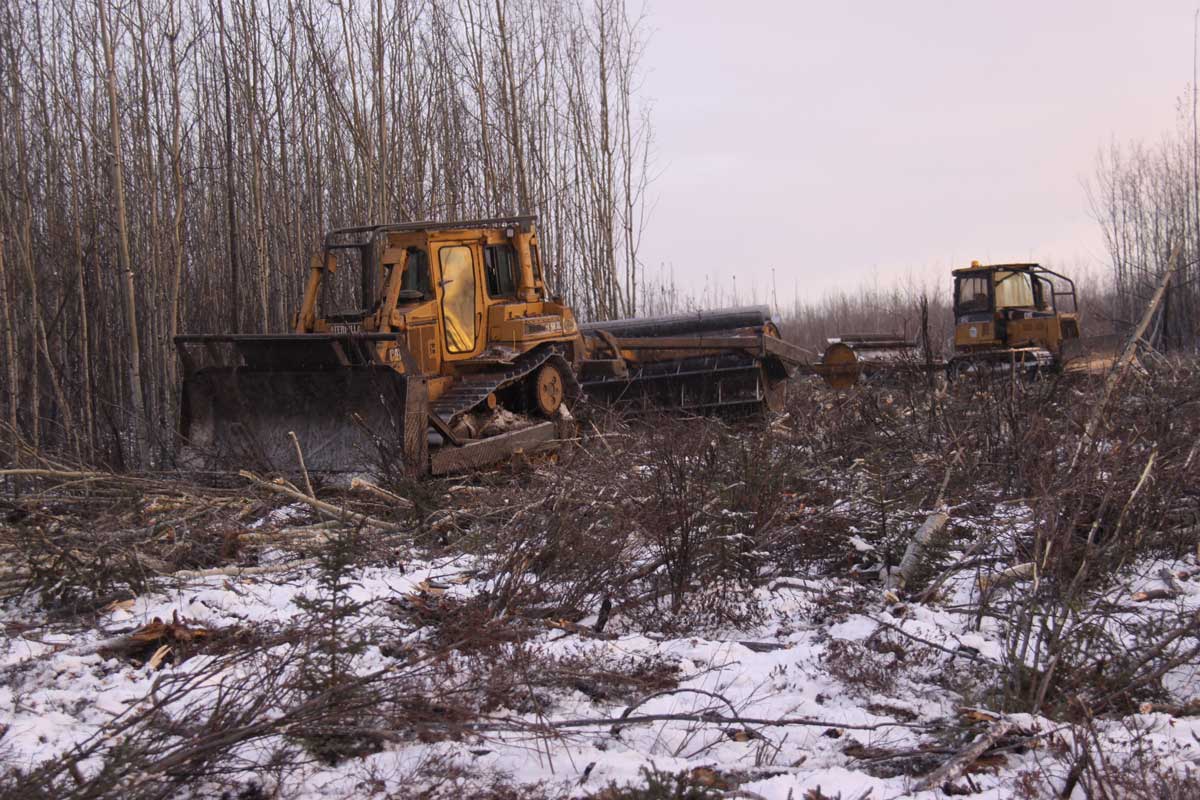
Mechanical Aspen Treatment
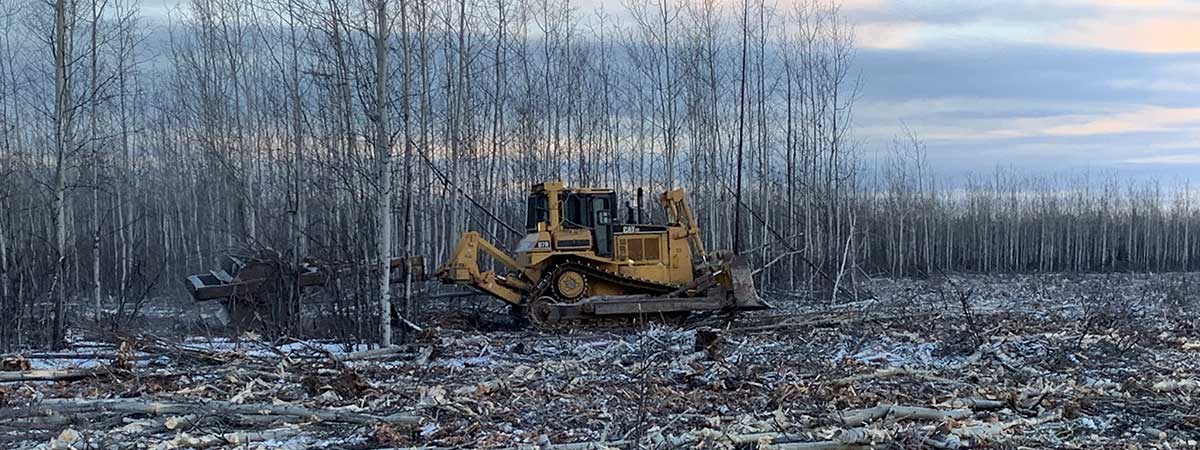
Mechanical Aspen Treatment
Wildlife Habitat Enhancement and Spatial Analysis Program (WHESAP)
Mechanical Treatment: A Strategic Tool for Wildlife Habitat Improvement
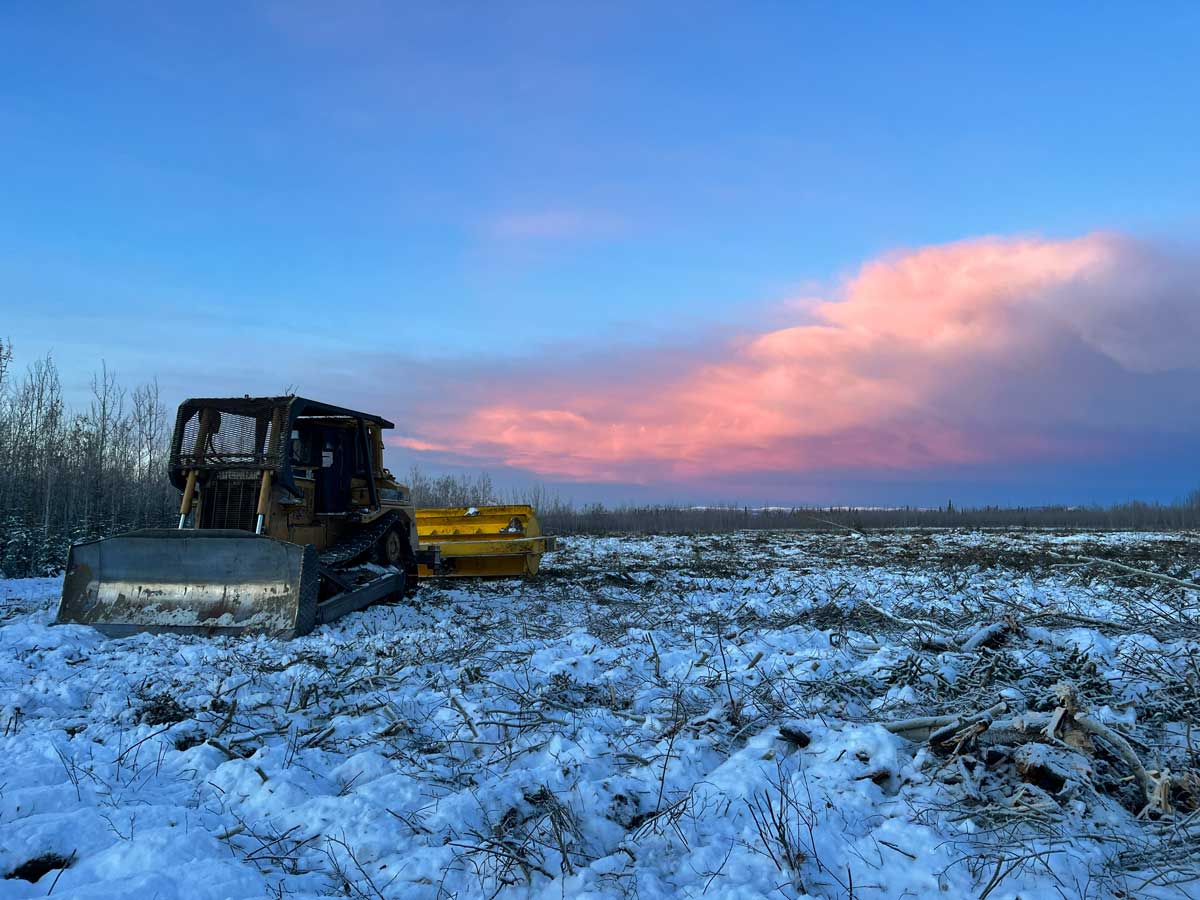
Mechanical treatment in Tok
Mechanical treatments are an essential component of the Wildlife Habitat Enhancement and Spatial Analysis Program (WHESAP) toolbox. These treatments use specialized equipment to manipulate vegetation and soil in ways that mimic natural disturbance, improve habitat quality, and support early successional plant communities favored by many wildlife species.
Benefits of Mechanical Treatment
- Stimulates Early Succession
-
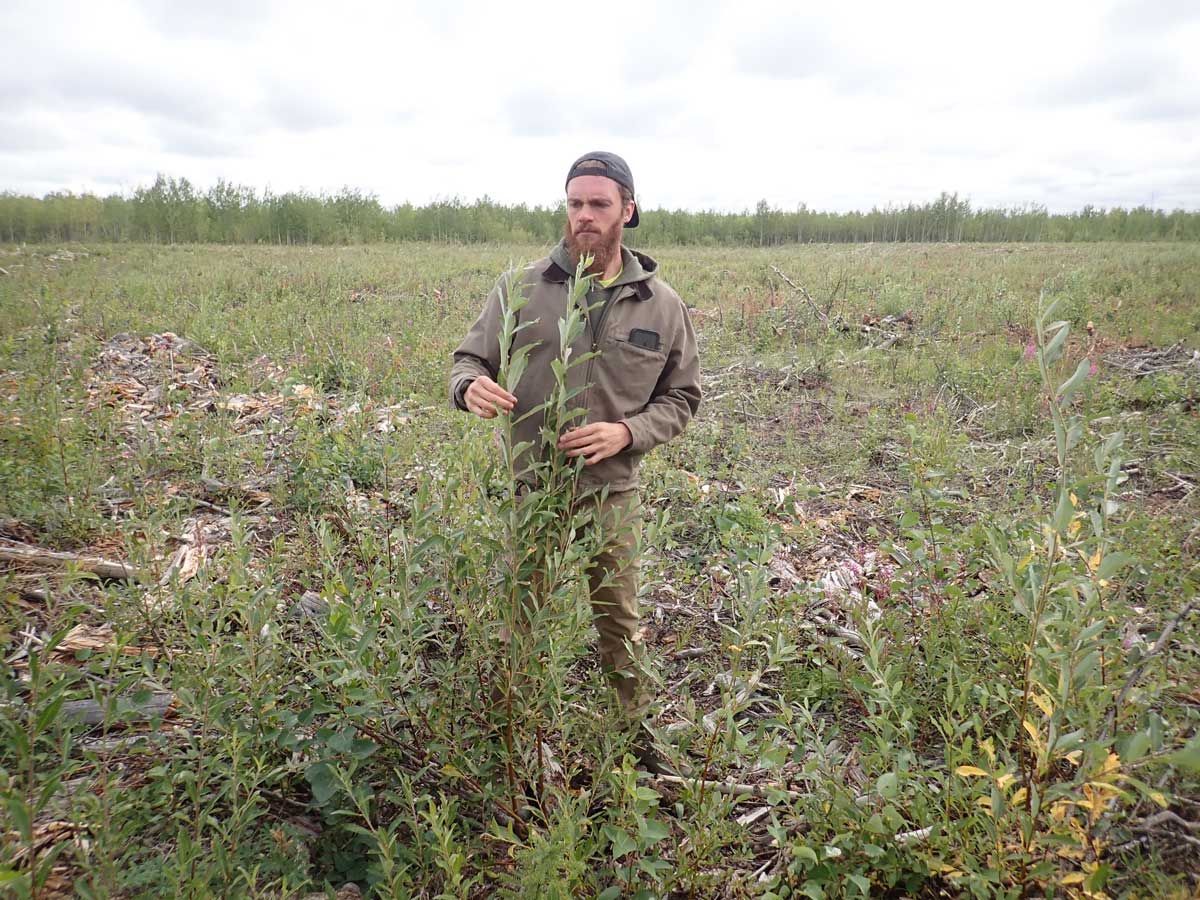
Mechanical disturbance-such as roller chopping, mowing, or shearing-removes mature vegetation and encourages the regrowth of willows, birch, and other browse species important for moose, hares, and upland birds.
- Improves Access for Hunters and Managers
-
Treatments can open dense stands, maintain travel corridors, and improve visibility, benefiting both wildlife and users of the land.
- Provides a Fire Surrogate
-
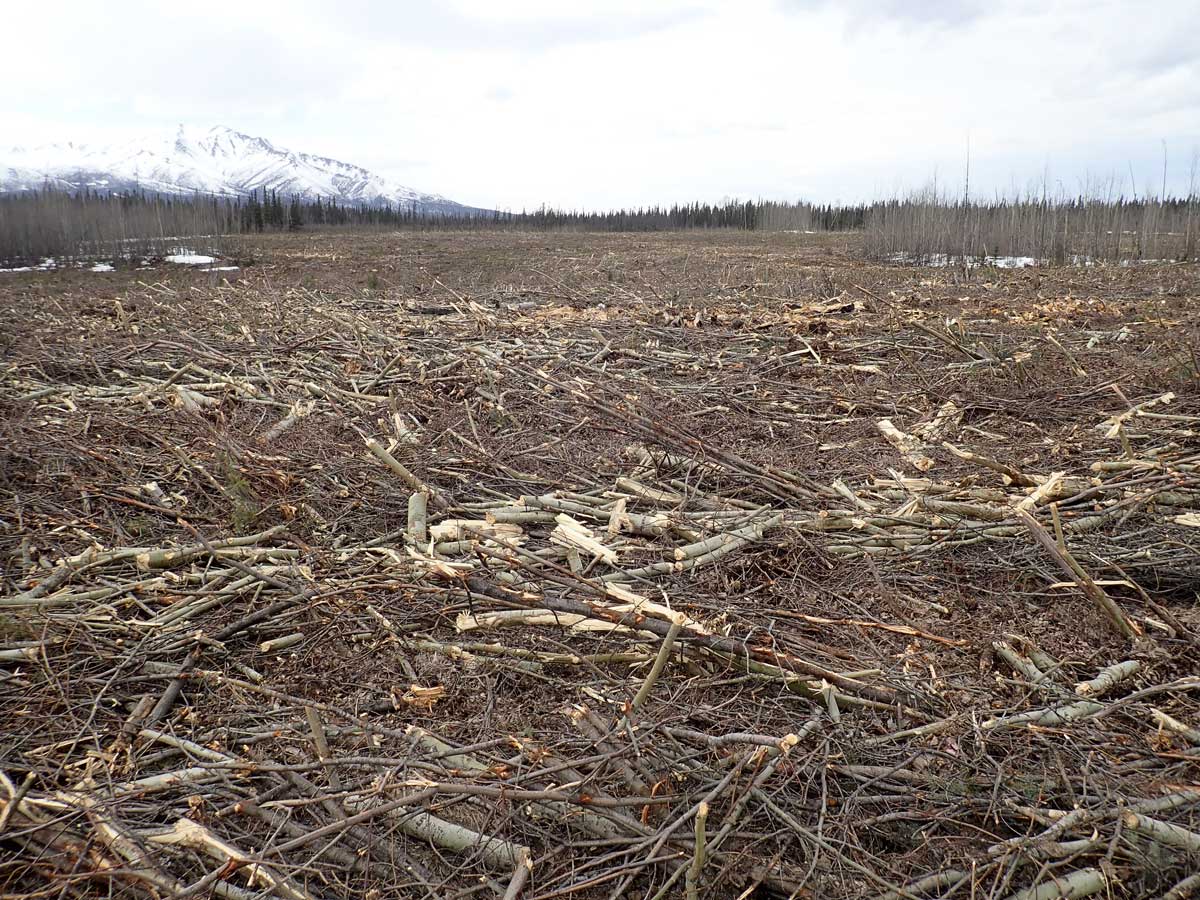
Roller-chopped aspen
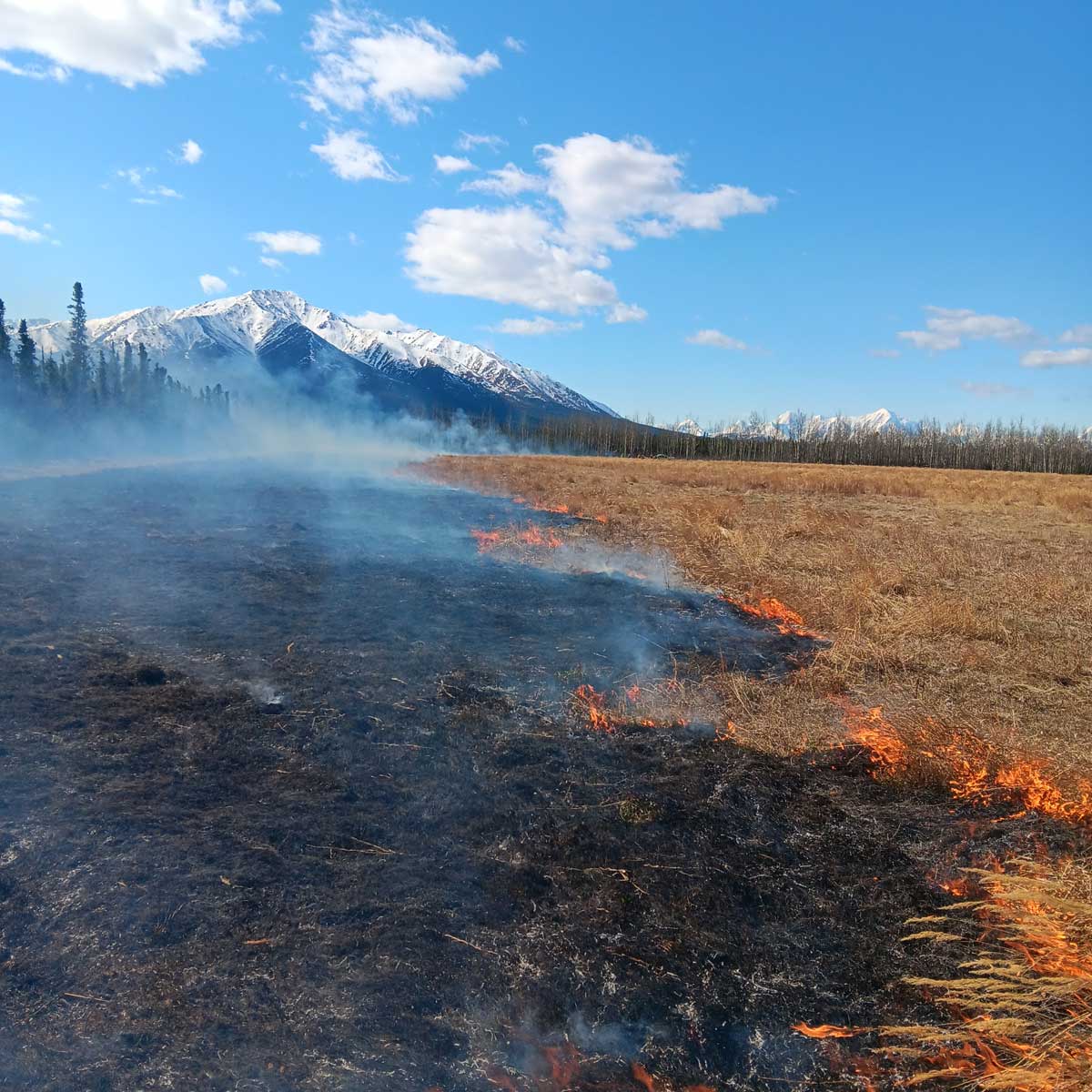
In landscapes where prescribed fire is not feasible due to smoke concerns, public safety, or logistical constraints, mechanical treatment offers a controlled alternative to initiate habitat change.
- Customizable and Precise
-
Unlike fire, mechanical treatments can be tightly targeted in space and intensity, making them ideal for small, sensitive, or transitional habitats.
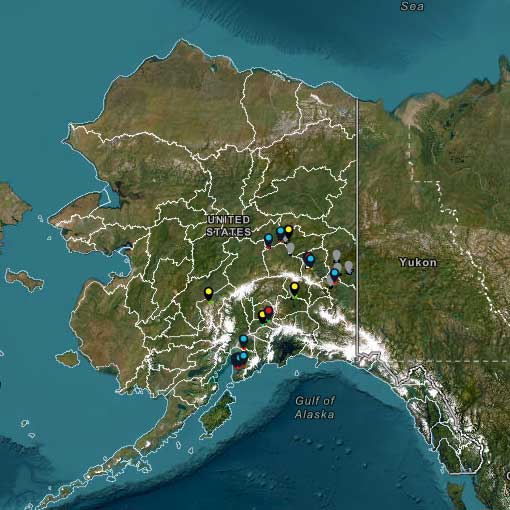
For information on current and historical mechanical treatments for wildlife habitat, please check out our interactive web map.
Gallery