
Alaska Fish & Wildlife News
February 2026
Wildlife Programs for Winter
Experts share insights - from Pikas to Parasites
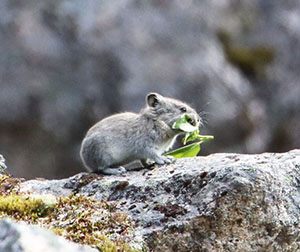
A collared pika scampers across a talus slope with a mouthful of flowers. Biologists with the Alaska Department of Fish and Game, and their colleagues, have captured and tagged close to 135 collared pikas in recent years to learn more about their survival, vulnerability and foraging. Wildlife Biologist Arin Underwood shares her work with the elusive lagomorphs (cousins to rabbits and hares) in February as one of several presentations this winter. These are live online and readily accessible participants who register.
Winter Wildlife Series
February 12
Collared Pikas: Alaska’s Alpine Rock Hoppers
Are small mammals collecting flower bouquets in the mountains? Yes! Alaska's collared pikas have small populations and unique behaviors that help them survive the long winter. In this presentation, Arin Underwood presents her research on these elusive lagomorphs.
Thursday, February 12th, 7:00pm - 8:00pm Alaska time
More on pika research and pika haying
March 12
Parasites, Pus & Pathogens: A Peek Inside Alaska’s Wildlife
Join Alaska wildlife veterinarian Dr. Kimberlee Beckmen for a visual overview of common parasites and diseases you may observe on the outside of animals, and on the inside of animals during the field dressing and butchering process. It will include how to identify diseases and parasites, concerns to humans, safe handling advice, when and how to report observations, and more. Warning: presentation may contain some 'gross' images!
Thursday, March 12th, 7:00pm - 8:00pm Alaska time
“What’s this thing in my game?” A one page flyer about common parasites and such in game meat
Tons of information about diseases and parasites in wildlife and game meat from ADF&G
April 9
Living and Recreating in Bear Country
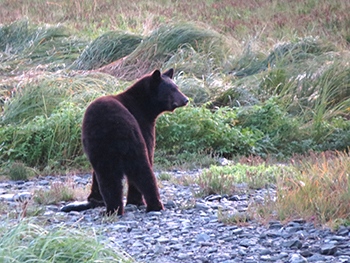
April is Bear Awareness Month in Alaska. Please join Fish and Wildlife Technician Wilson Puryear as he presents best practices on how to safely live and recreate in bear country.
April 9th, 7:00pm - 8:00pm Alaska time
More about bear safety and living with bears
Presentations already delivered and available for viewing on the ADF&G Vimeo channel
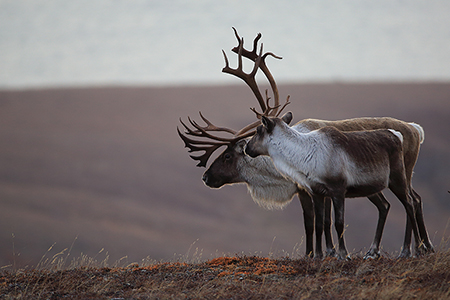
Glennallen Area Wildlife Biologist Heidi Hatcher shares the history of the Nelchina caribou herd, management and monitoring efforts, the status of the herd, and expectations. A Winter Wildlife Series presentation delivered Jan. 8, 2026.
Alaska’s Wood Bison: Past, Present and Future
Wood bison biologist Tom Seaton presented the latest information on Alaska’s wood bison and plans for future reintroductions in other parts of the state on Dec. 11, 2025.
Wildlife Wednesday at Alaska Zoo
The Alaska Zoo is hosting a “Wildlife Wednesday” series this winter, and these presentations are at the Alaska Zoo in Anchorage. They won’t be broadcast but are free for those who drop in at Gateway Hall at the zoo. Several feature Fish and Game staff. Each talk begins at 7pm and covers a topic focused on wildlife in Alaska. The talks are approximately 45 minutes with questions and answers, and all are free to the public. Free refreshments are available. Door prizes by Alaska Geographic. ASL interpretation is available upon request in advance, please reach out to the Alaska Zoo if you would like to have an interpreter present (several days notice appreciated!).
Dall's Sheep Research in Southcentral Alaska 2009-Present
February 11, 7:00pm - 8:00pm
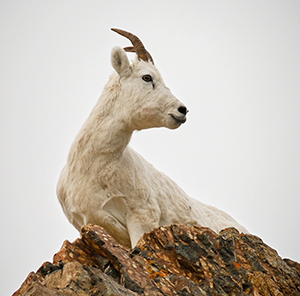
Learn how studies in the Chugach, Talkeetna and Wrangell St. Elias mountain ranges help us to understand why Alaskan sheep populations have declined by 50-70% in the last few years.
Bird Collisions
March 11th, from 7:00pm - 8:00pm
Bird collisions with building windows are a top source of bird mortality and reducing these collisions has been identified as an important action to help halt and reverse declines of North American bird populations. Learn what species are most vulnerable to collisions and what you can do to make your home safe for birds.
More about helping birds and bird collisions and living with birds
Effective Tools for Protecting Bear Attractants, Including Electric Fencing and Defenders' Electric Fence Incentive
April 8, from 7:00pm - 8:00pm
In Alaska, bears play an important role in maintaining ecosystem health and biodiversity. Human-bear conflict frequently results in bear mortality and threatens the long-term stability and persistence of bear populations. Additionally, property damage and loss from conflicts can be extremely costly for individuals and communities and reduces social tolerance for bears. Tools designed to protect attractants from bears prevent conflict and help people better share the landscape with bears.
More about bear safety and living with bears
Subscribe to be notified about new issues
Receive a monthly notice about new issues and articles.